USS Yorktown CV 10

A Grumman F6F-3 Hellcat makes condensation rings as it tries to take off on Yorktown’s flight deck, circa October-December 1943. The carrier is painted in Measure 21 camouflage and shows stowed hangar catapult outriggers and five lattice radio masts on the deck edge. Check this out!


Stern aerial view of Yorktown during her fourth WestPac deployment with Air Task Group 4 (ATG-4, CVG-2) on the 1957 Far East Cruise. Official US Navy photo.


Aircraft Carrier

In the 1920s, the Navy began to realize the potential value of aircraft in naval operations. By the end of World War II, aircraft carriers had replaced battleships as their primary strike weapon in the Pacific.


Yorktown was a second-generation Essex-class carrier, first commissioned on April 15, 1943. She was named to honor her predecessor, USS Yorktown (CV-5), which had been sunk at the Battle of Midway in June 1942.


During her initial deployment to the Far East, she earned three Armed Forces Expeditionary Medals. She departed San Diego for the Orient on 1 November and arrived at Yokosuka on 25 November. The next eight months were devoted to normal west coast duties.


Ship’s History

The Yorktown was one of the first Essex-class aircraft carriers and served with distinction during World War II. She earned 11 battle stars and a Presidential Unit Citation. She also initiated many technical improvements for the next two dozen Essex carriers.


The aircraft carrier’s keel was laid down on 1 December 1941 at Newport News Shipbuilding and Dry Dock Company. The ship was initially named Bonhomme Richard, in honor of Captain John Paul Jones’s flagship, but she was renamed on 26 September 1942 in honor of her older namesake lost at the Battle of Midway.


Soon after her reactivation, Yorktown resumed normal operations along the West Coast. She stopped at Pearl Harbor from 24 March to 9 April before continuing her voyage west. Discover More about Mt Pleasant here.


History of Yorktown

Known as the Fighting Lady, Yorktown is now a popular museum and tourist attraction. It is one of three sites in the Historic Triangle along with Jamestown and Williamsburg, where visitors can see a variety of colonial-era buildings.


Yorktown’s keel was laid down on 1 December 1941 at Newport News Shipbuilding & Drydock Co., sponsored by Eleanor Roosevelt. Named for a town defeated by General George Washington’s Army during the Revolutionary War, she was launched on 21 January 1943 and commissioned on April 15th.


After shakedown training in the Caribbean, she departed Norfolk on 21 May and stood out to sea to conduct a month of operations in the Pacific. She earned a Presidential Unit Citation and 11 battle stars in her combat service, helping to turn the tide of the war in the Battles of Midway and Coral Sea. Yorktown also played a crucial role in supporting ground troops at the Philippines, Iwo Jima, and Okinawa.


Yorktown’s Museum

The museum is open Tuesday & Thursday throughout the week and on Sunday. The exhibits include an 18th-century colonial room, a miniature of railroads and mansions, and an impressive collection of photographs and documents.


The size of Yorktown becomes more apparent as one tour its interior. 2,500-3,000 sailors lived aboard at any given time and every space had its purpose. Narrow corridors and steep ladder-like stairways were interspersed with compact rooms that clearly identified their purposes. Privacy was not an option, and the living quarters were packed with tightly packed bunks.


The ship served during the Korean War and in Vietnam, earning five battle stars for that service. It also served as a recovery ship for Apollo 8. The Essex class carrier was decommissioned in 1970 and is now the centerpiece of the Patriots Point Naval and Maritime Museum. The museum was founded in 1966 and moved to its current location in 1975. Read next.
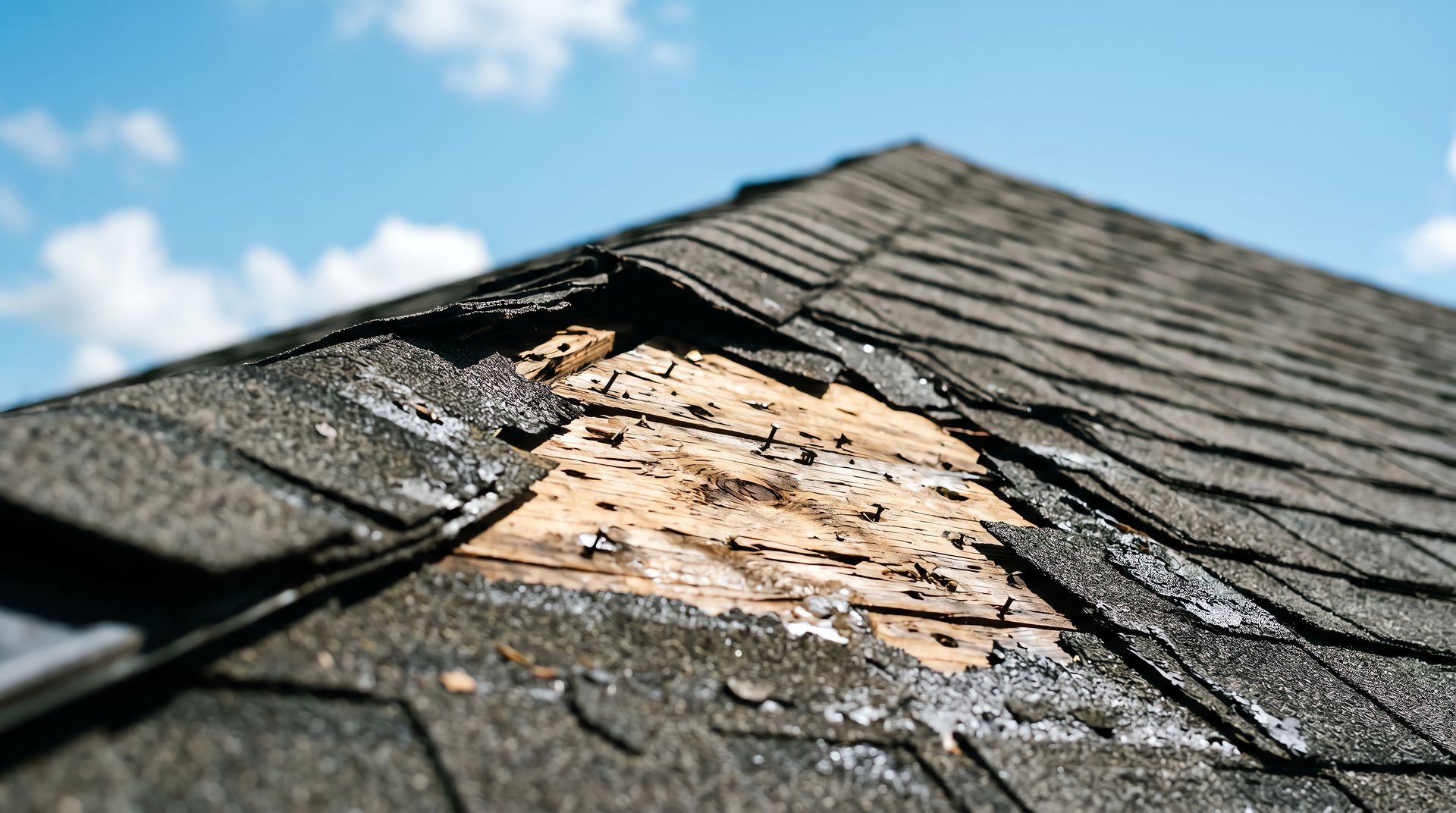

Storm-damaged roof shingles with exposed wood decking and nails.
September 28, 2026
Storm damage? Learn how roof repair works in Charleston, SC, with this post-storm guide from Ketchum Roofing & Windows. Protect your home. Contact us today.
An emergency roofer in an orange hard hat clears fallen branches from a storm-damaged roof in rain.
August 5, 2026
Need an emergency roofer in Charleston, SC? Ketchum Roofing & Windows LLC responds fast to storm damage. Free inspections. Call today for trusted service.
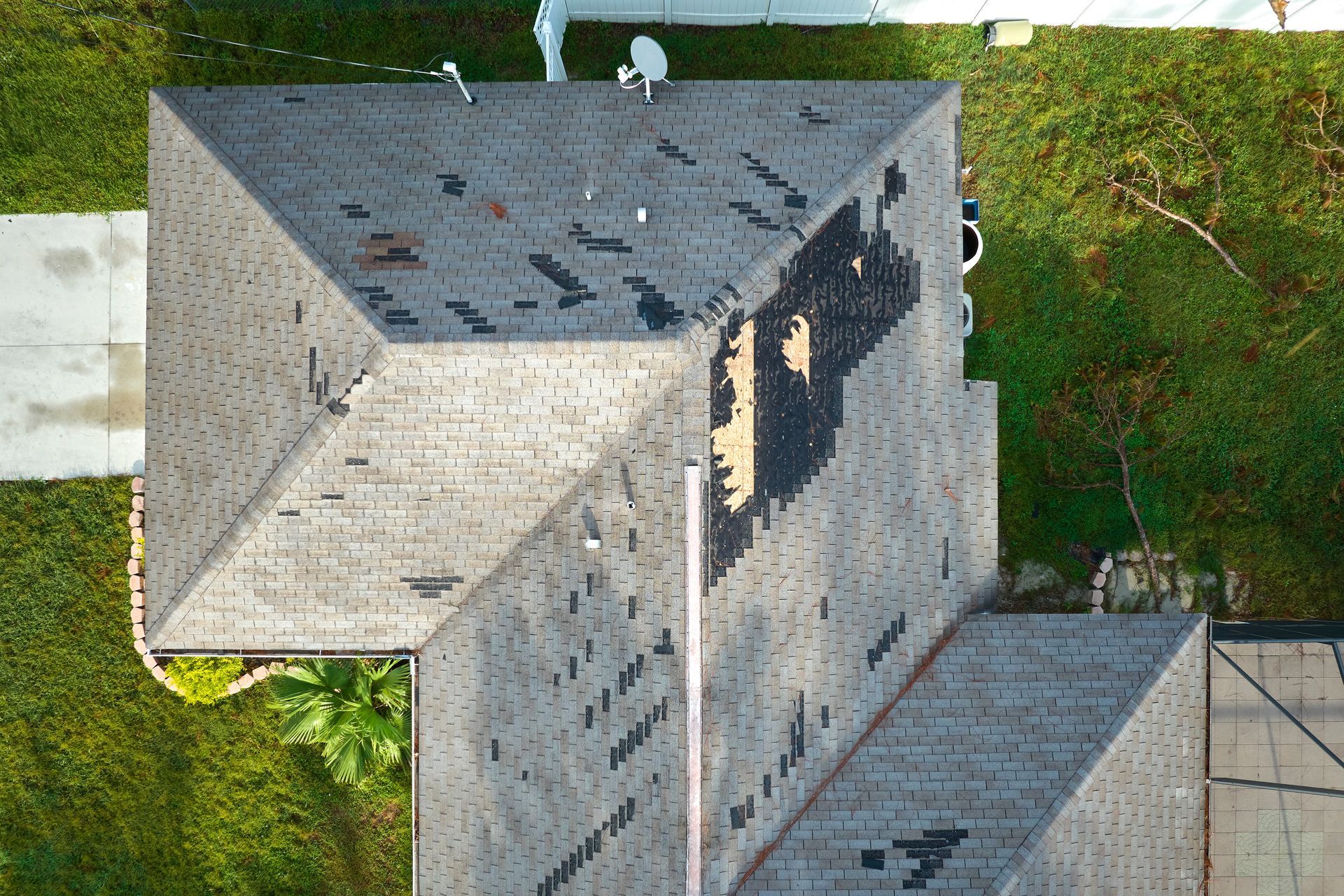
residential roof showing extensive shingle damage and missing sections, primarily on the upper right
July 24, 2026
A trusted roofer serving Charleston, SC, shares what homeowners should do before hurricane season. Book your free inspection with Ketchum Roofing & Windows.
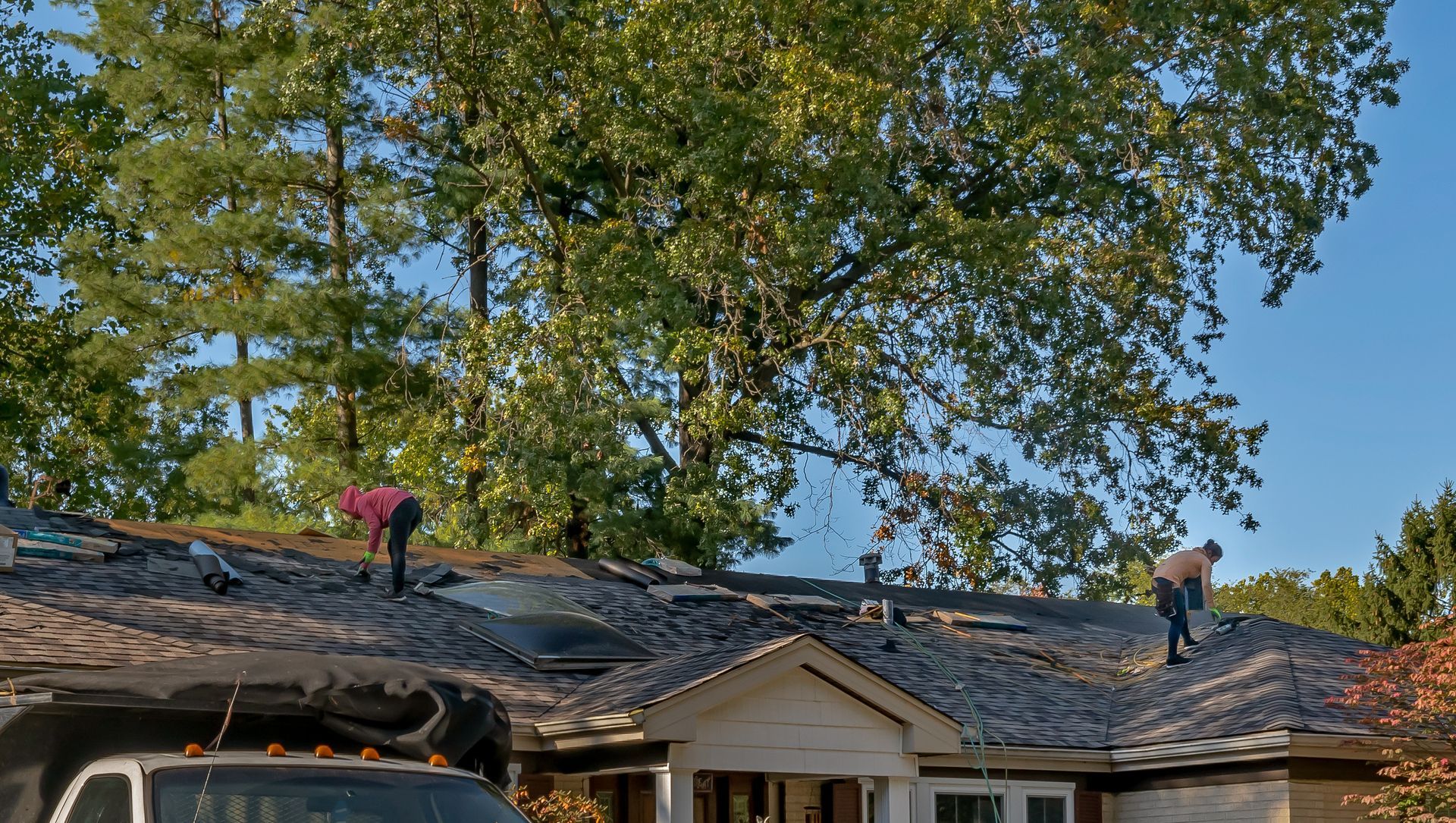
Two roofers working on an asphalt shingle roof on a sunny day.
June 17, 2026
Not sure if roof repair or replacement is right for you? Ketchum Roofing & Windows, serving Charleston, SC, is here to answer your questions. Call us today.
A man is inspecting a roof.
May 1, 2026
Get expert tips from a trusted roofing company in Charleston, SC. Ketchum Roofing & Windows helps you prevent costly roof repair. Book your free inspection!
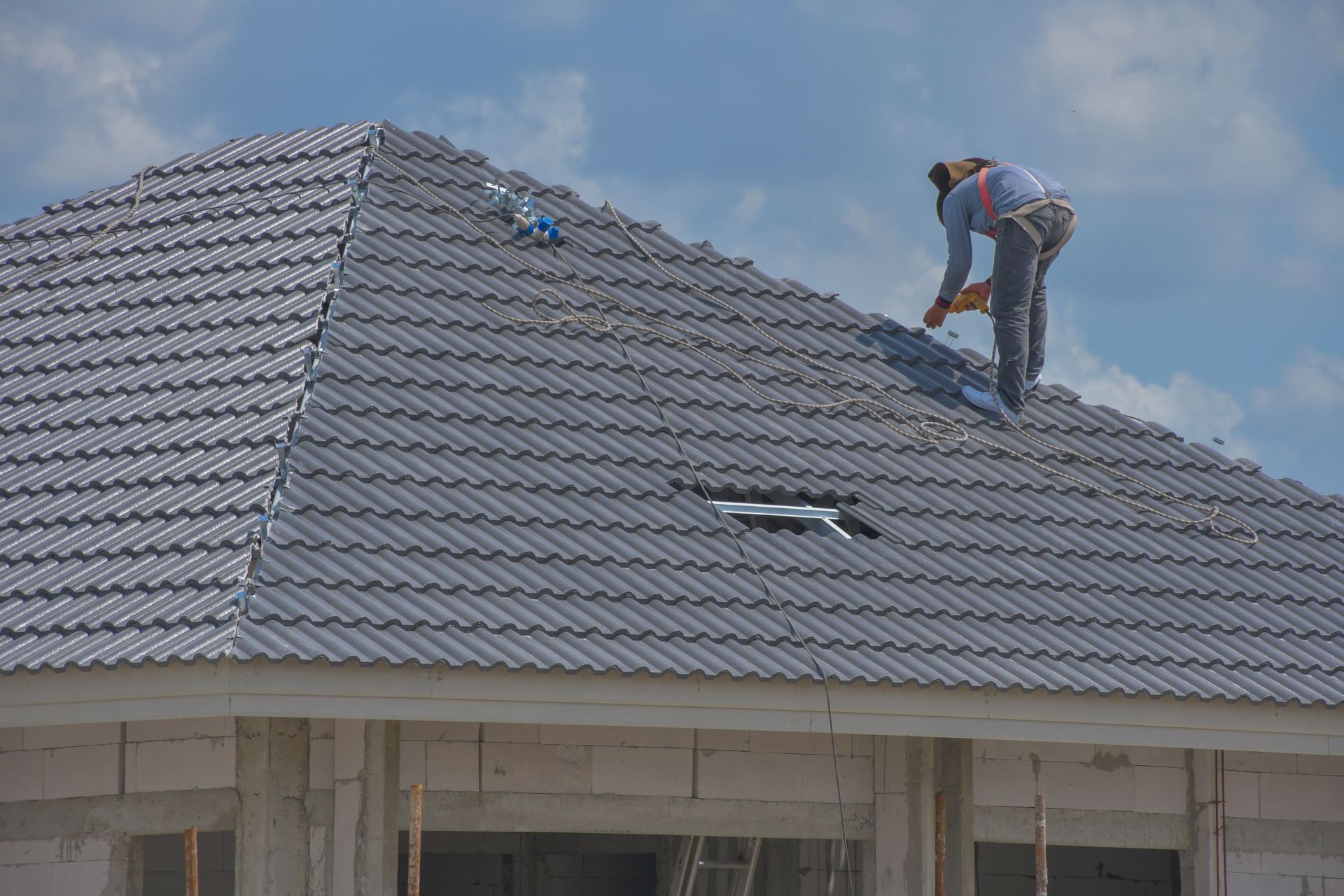
A construction worker is installing tile on the roof of a large house.
May 1, 2026
Avoid common roof replacement mistakes in Charleston, SC. Trust Ketchum Roofing & Windows for expert service. Contact us today to schedule your consultation!
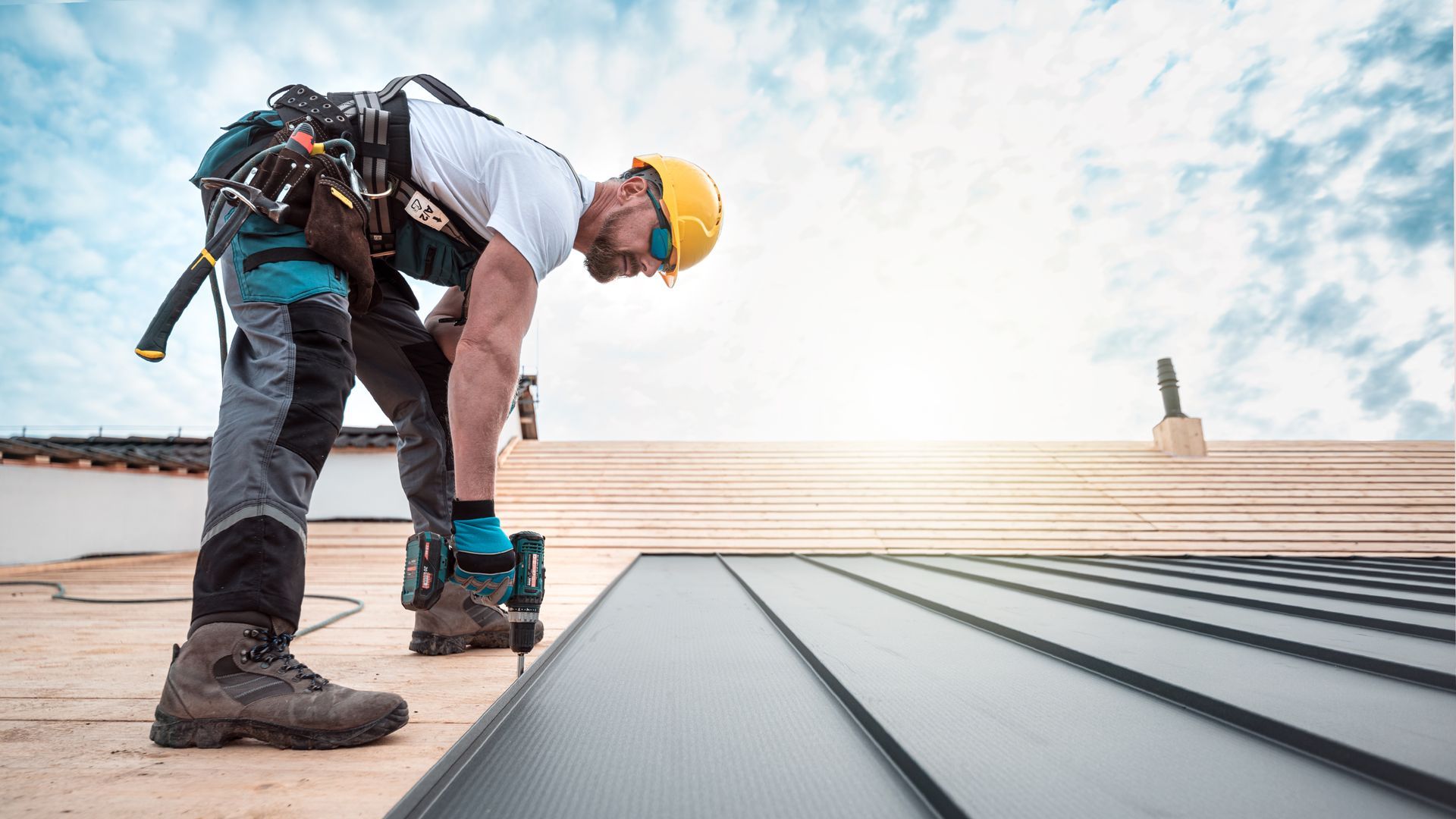
A roofer with a safety harness and tool belt.
April 28, 2026
Ketchum Roofing & Windows provides expert roofer services for high-wind roof installations. Contact us today to protect your home!
Workers are replacing a roof.
April 28, 2026
Learn how humidity, storms, and salt air affect roof replacement in Charleston, SC. Ketchum Roofing & Windows LLC shares expert advice; read now!
A tree has fallen on a small, white house, damaging the roof. Green grass and other houses are visible.
November 3, 2025
Emergency roofer serving Summerville, SC. Call Ketchum Roofing & Windows now at (843) 817-3846 for fast emergency roofing help.
Dark gray roof with a tall chimney against a blue sky with fluffy white clouds.
September 9, 2025
During your Charleston vacation, be sure to visit The Battery (or “Battery Park”) to stroll along its waterfront and admire the stately antebellum homes that accent this lower peninsula neighborhood. You’ll also find mossy live oaks, historic statues, and a massive gazebo that is the perfect location for wedding photos. You’ll be glad you read this ! White Point Garden While it may seem quiet and serene now, Charleston’s White Point Garden has a long history as the city’s most important military site. The 5.7-acre park, also known as Battery Park, is home to spectacular harbor views, historic homes, and a number of interesting military relics and monuments. Visitors can stroll the park’s lush grounds, adorned with tall oak and palmetto trees. They can also see a number of relics from the city’s turbulent past, including several real Revolutionary and Civil War-era cannons. A bronze bust atop a granite column marks the crew of the H.L. Hunley, the first submarine to successfully attack and sink another vessel in Charleston Harbor. The park’s center walkway is flanked by two Confederate columbiads (large cannons) from Fort Sumter and an 11-inch Dahlgren gun from the USS Keokuk that fired shells at the city during the Civil War. Atop a pedestal stands an 8-foot statue of General William Moultrie, sword in hand, surveying Charleston Harbor. The statue, by sculptor Willard Hirsch, is one of the City’s most recognizable. Historic Homes The Charleston Battery is home to a number of jaw-dropping historic homes. These mansions were built between 1820 and 1860 and still display stately pillars and dreamy balconies. A few of these magnificent antebellum houses operate as historic house museums. These homes allow visitors to explore the lives of wealthy Charleston families and enslaved people in the late 1800s. Self-guided app-based tours are available at these historic homes for a fee, but combo tickets offer discounted admission to multiple properties. Located just steps from White Point Garden, this magnificent historic home offers original heart pine flooring and a three-tier piazza with water views. The home features a kitchen house with a legal bed and breakfast license, which adds to its appeal. The property also has incredible curb appeal, with well-tended gardens and a stunning stone driveway. This home would be the perfect Charleston vacation rental. A buyer who is passionate about historic homes will find this property to be a true treasure. Explore more ! Historic Park The Battery Park begins at White Point Garden and extends to the west along a mile-long promenade and seawall that defines Charleston’s southern boundary. It’s a picturesque stretch of land that is one of the city’s most significant historic sites. A stroll across the Battery promenade will reveal a remarkable collection of historic homes accented by the Low Battery seawall. These aren’t cookie-cutter houses, either – they’re grand estates from the 17th and 18th centuries built with lavish opulence. The history of Charleston’s Low Battery is closely intertwined with the High Battery. After repairs were completed to the High Battery in 1860, leaders devised ambitious plans to expand the city’s southward development with a new promenade and seawall that extended White Point Garden further down the coast. The project was stalled by a series of setbacks, including two hurricanes and a deteriorating state of the waterfront seawall. Eventually, a wealthy local resident named Andrew Buist Murray donated funds to help the city complete the Low Battery seawall, which was later named in his honor. Free Parking CHARLESTON, SC (WCSC) — More than a half-mile of free parking along Charleston’s Battery — one of the city’s must-see walking spots — is about to disappear. And with it, the hundreds of tourists, students, and day workers who fill the spaces in the midst of tall Palmettos and ancient Live Oaks will have to find alternatives. The change was the result of a petition from local homeowners who say their streets are getting overwhelmed with cars that don’t belong there. The city council this week approved converting the spots into residential-preference sticker parking, which means that vehicles can park there for longer than two hours if they have a residential permit displayed. If you’re visiting for a few weeks or more and don’t have private parking at your downtown accommodations, it may make sense to look into monthly parking at one of the city’s garages. Rates start at $125 per month, which would be a savings of $20 or more over daily rates in the heart of downtown. Continue reading the next article .