Roof Repair Guide: How to Handle Storm Damage Around Hurricane Season
Storm damage and roof repair around hurricane season is a real concern for homeowners across the Lowcountry, and knowing exactly what to do after a storm can make a major difference in protecting your home and your wallet. This guide walks through every key step, from pre-storm inspection to filing an insurance claim in South Carolina, with practical advice tailored to Charleston, SC, homeowners in neighborhoods like West Ashley and James Island.
Start Before the Storm: Pre-Season Roof Inspection
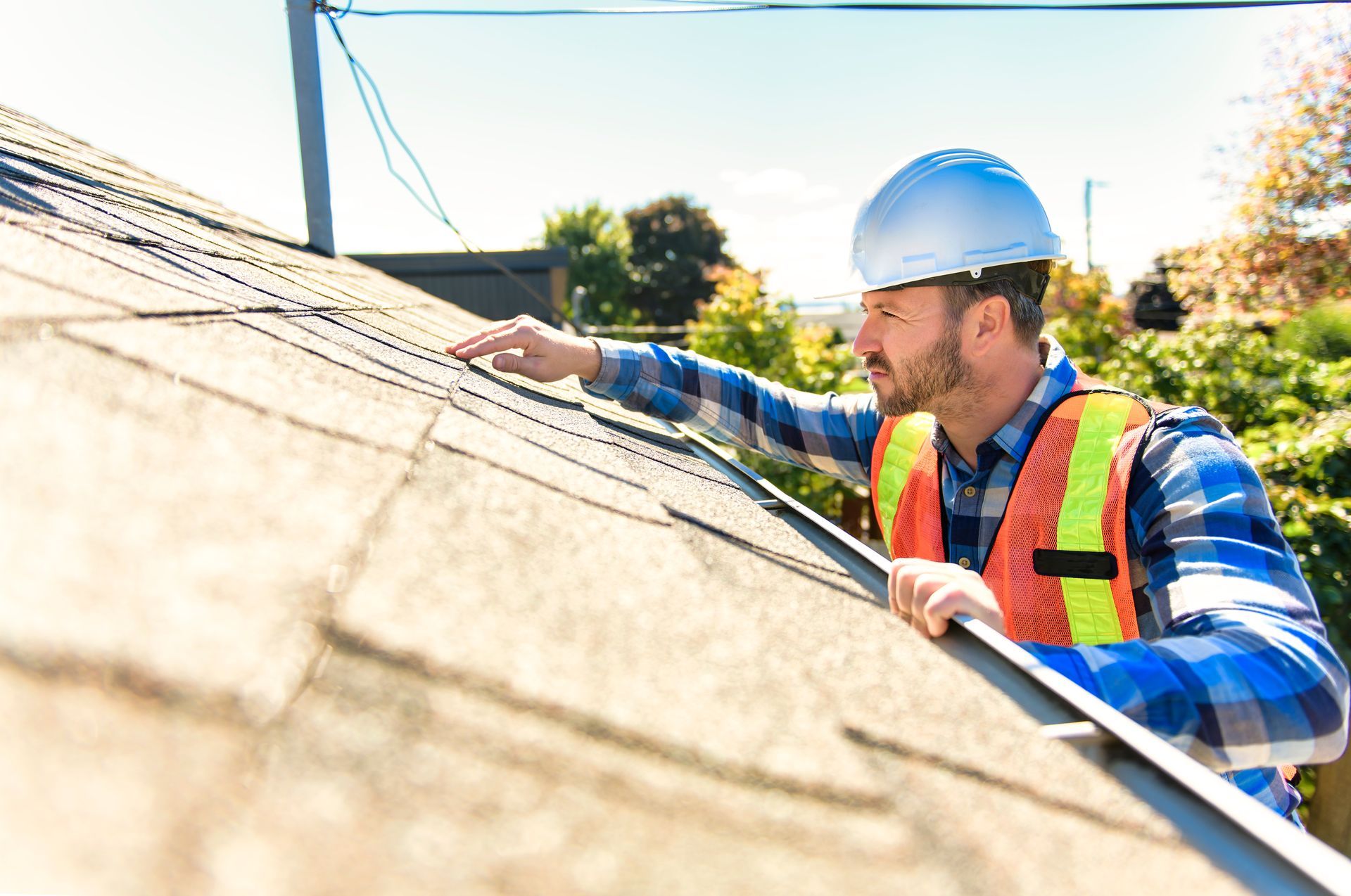
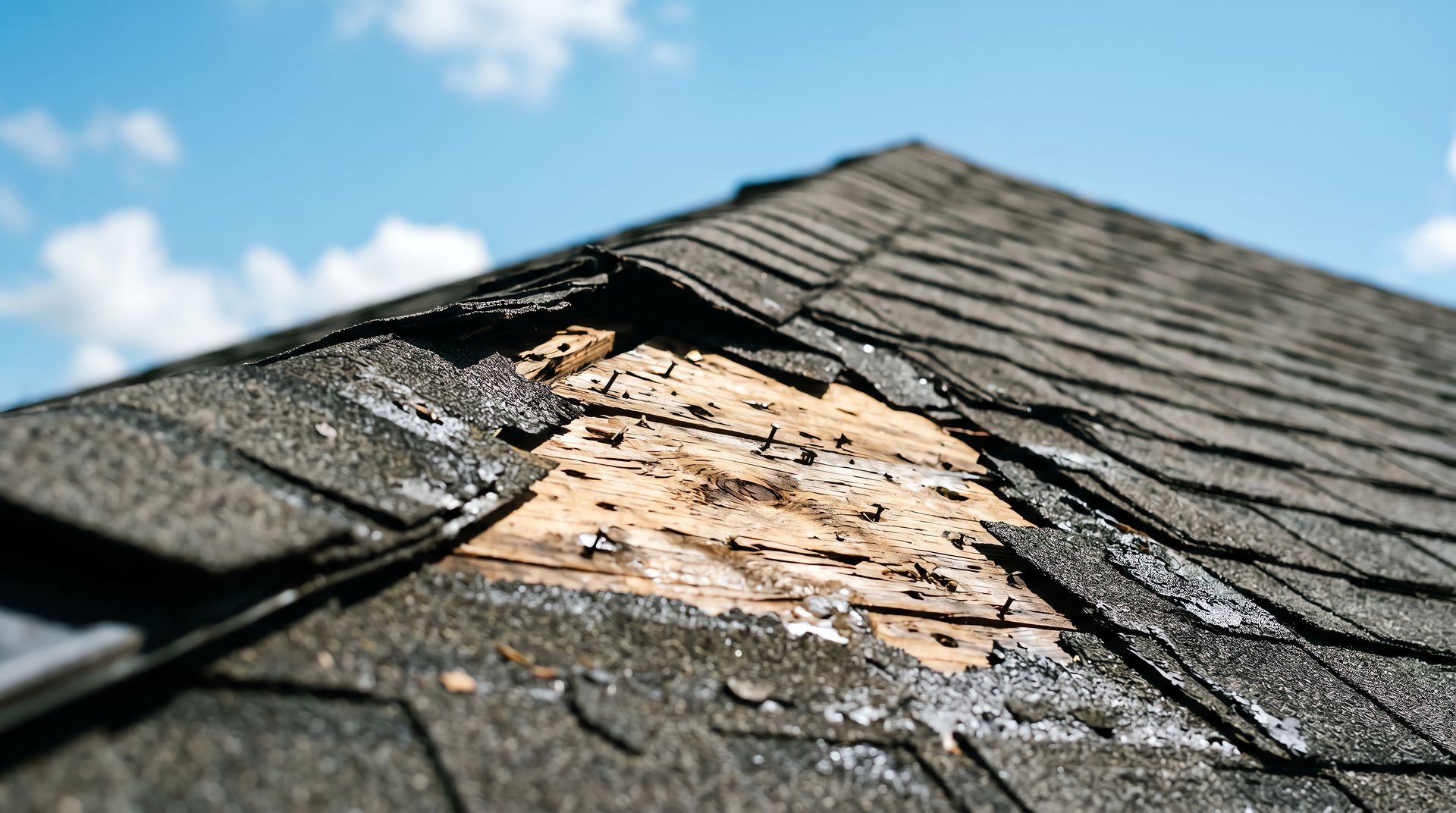
A pre-season roof inspection is the single most effective step you can take before hurricane season begins. Atlantic hurricane season runs officially from June through November, so the ideal time to inspect is April or early May. Older roofs, especially those over 15 years old, are particularly vulnerable at pipe boots, flashing, ridge caps, and shingle edges before any interior symptoms appear.
During a pre-season check, look for these warning signs:
- Missing, curling, or cracked shingles.
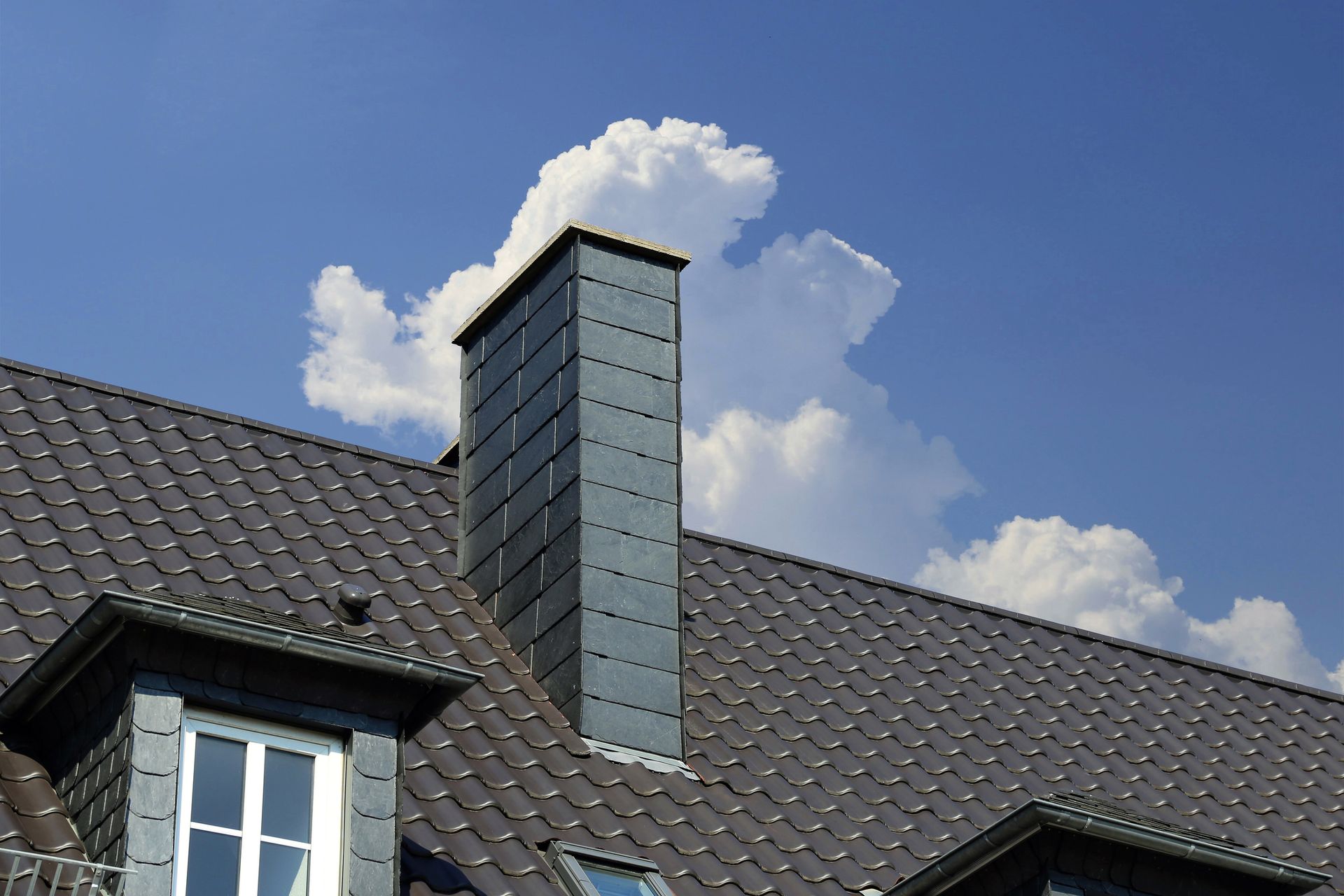
- Damaged or loose flashing around chimneys and vents.
- Clogged or bent gutters that could trap water against the fascia.
- Exposed underlayment or soft spots on the deck.
- Granule buildup in gutters, which can signal aging shingles.
If any of these issues are found before a storm, addressing them promptly can reduce the risk of severe damage later and may even make a future insurance claim go more smoothly.
What to Do Right After a Storm Hits
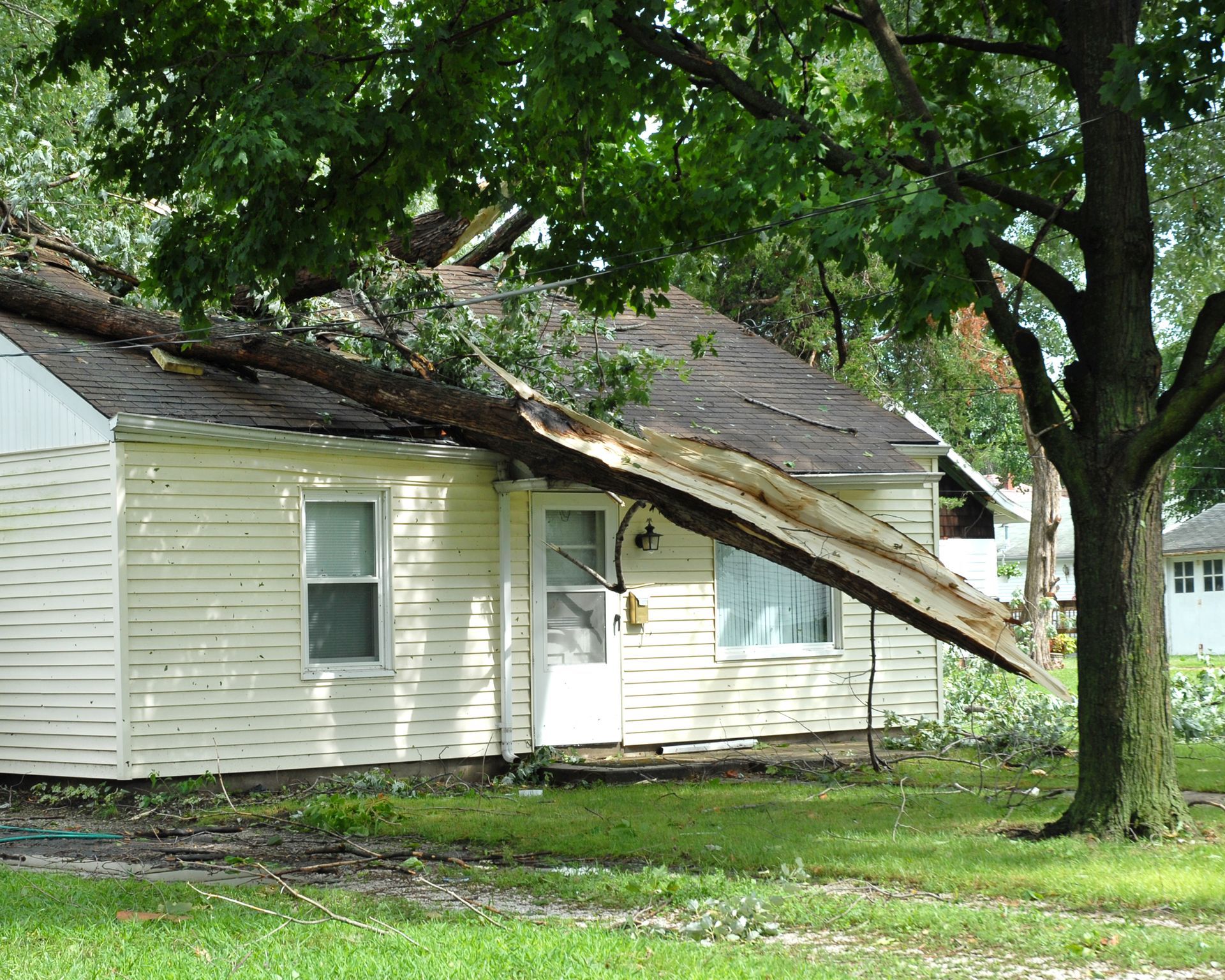
The first step after any storm is to stay safe. Acting quickly after a storm matters because Charleston's coastal heat and humidity can accelerate moisture damage within just a few days. Once it is safe to go outside, inspect your property from the ground only.
Look for:
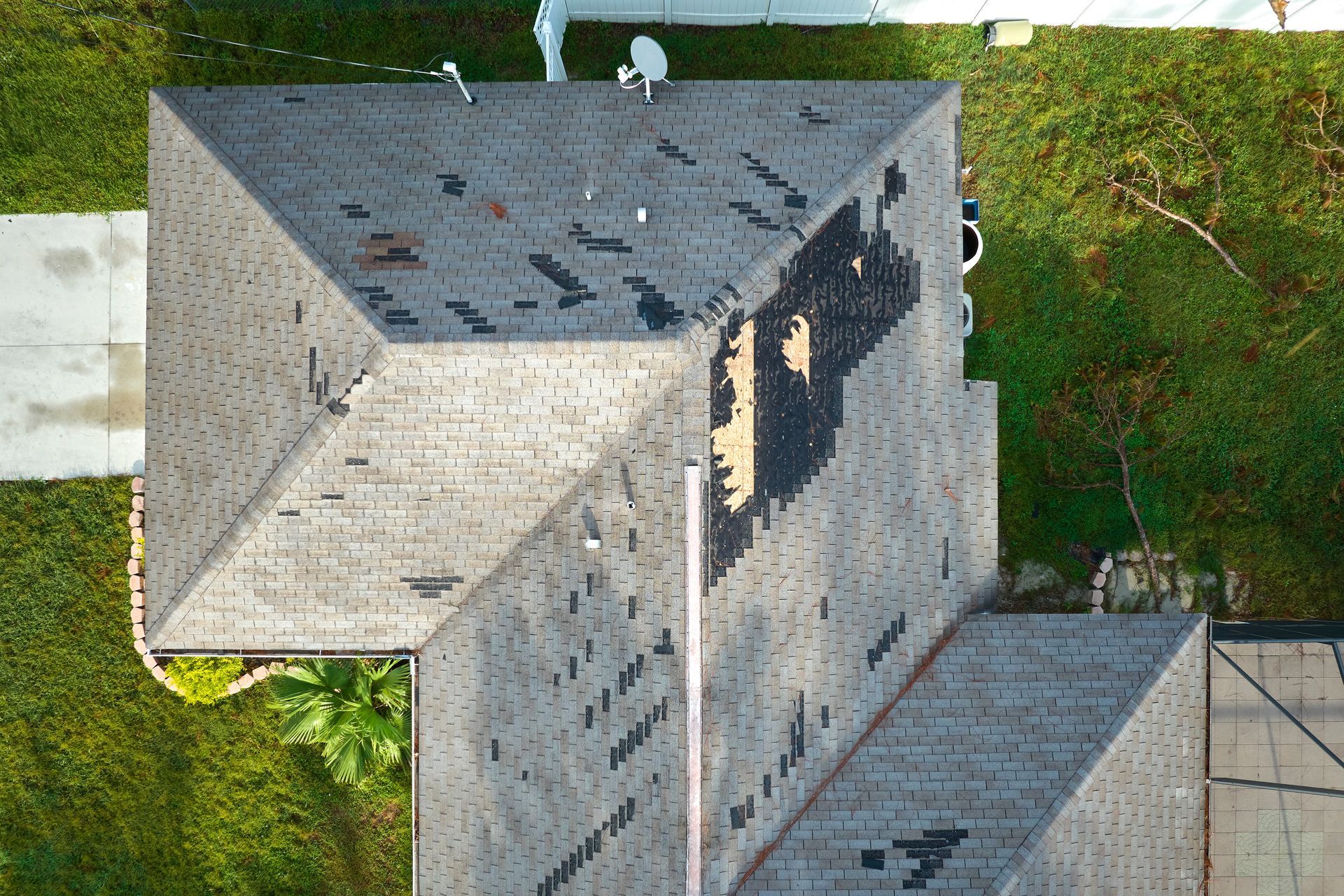
- Missing or displaced shingles.
- Dented or detached gutters.
- Damaged flashing or bent metal trim.
- Fallen branches or debris on the roof surface.
- Water stains on ceilings or walls inside the home.
Avoid walking on the roof yourself. Wet and wind-damaged shingles can be slippery and unsafe. If active leaks are present, place buckets under drip points, move valuables away from water, and call a licensed roofing contractor for emergency tarping to prevent further interior damage. The sooner you schedule roof repair after a storm, the better your chances of limiting the spread of water damage behind walls and ceilings.
How to Document Storm Damage for Your Insurance Claim
Thorough documentation is one of the most important parts of getting a fair insurance settlement. Take clear, dated photos and videos of all visible damage, both outside and inside your home. If the National Weather Service or NOAA has issued storm reports for the Charleston area, save copies of those as well. For a hurricane, screenshot the National Hurricane Center advisory showing the storm name, wind speed, and track. This establishes the weather event for your named storm deductible and supports your claim from the start.
Keep a written log of the date and time of the storm, when damage was discovered, and any temporary repairs made. This paper trail is important if your claim is disputed.
Filing a Roof Insurance Claim in South Carolina
Roof repair in Charleston, SC, after a hurricane often involves a multi-step insurance process that can feel overwhelming without a clear plan. Most South Carolina homeowners policies require you to notify your insurer within a set period, often 14 to 30 days after the storm. Filing promptly is important: waiting too long can put your coverage at risk.
Here is a general step-by-step overview:
- Contact your insurance company as soon as possible to report the damage.
- Provide your photos, documentation, and any storm reports you collected.
- Schedule a professional roof inspection to get a detailed damage report before the adjuster arrives.
- Be present when the adjuster inspects the property, and share your contractor's findings.
- Review the settlement offer carefully before accepting.
Note that some South Carolina policies carry separate deductibles for named storms or hurricanes. Ask your insurer about this before assuming your standard deductible applies.
Should I Make Temporary Repairs Before the Adjuster Arrives?
South Carolina homeowners policies generally require you to prevent further damage after a loss, but permanent roof repair should wait until after the adjuster has inspected the property. Emergency tarping or boarding of exposed areas is appropriate and is typically covered. Keep all receipts for any temporary repairs you pay for out of pocket.
How to Choose the Right Contractor After a Storm
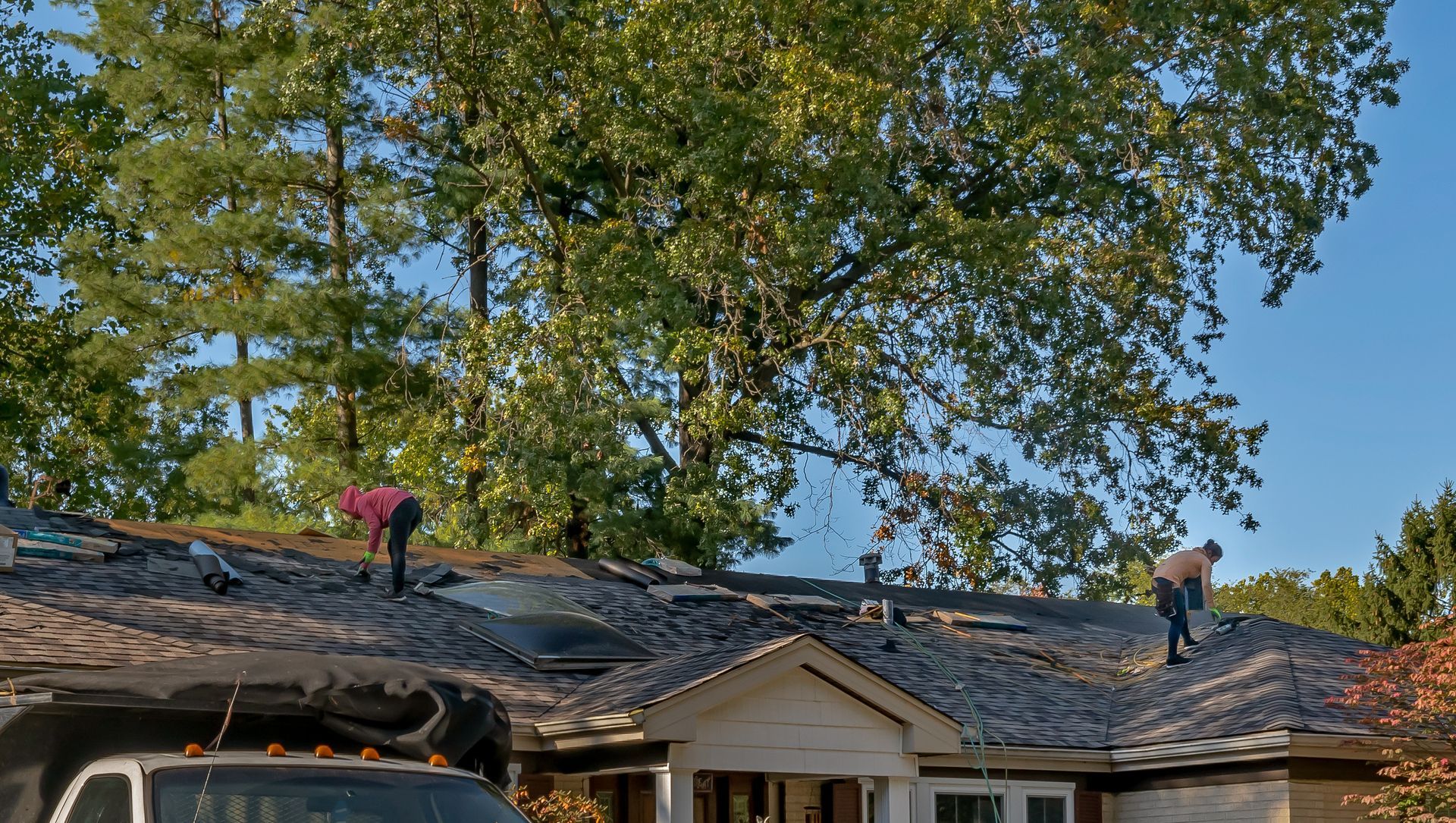
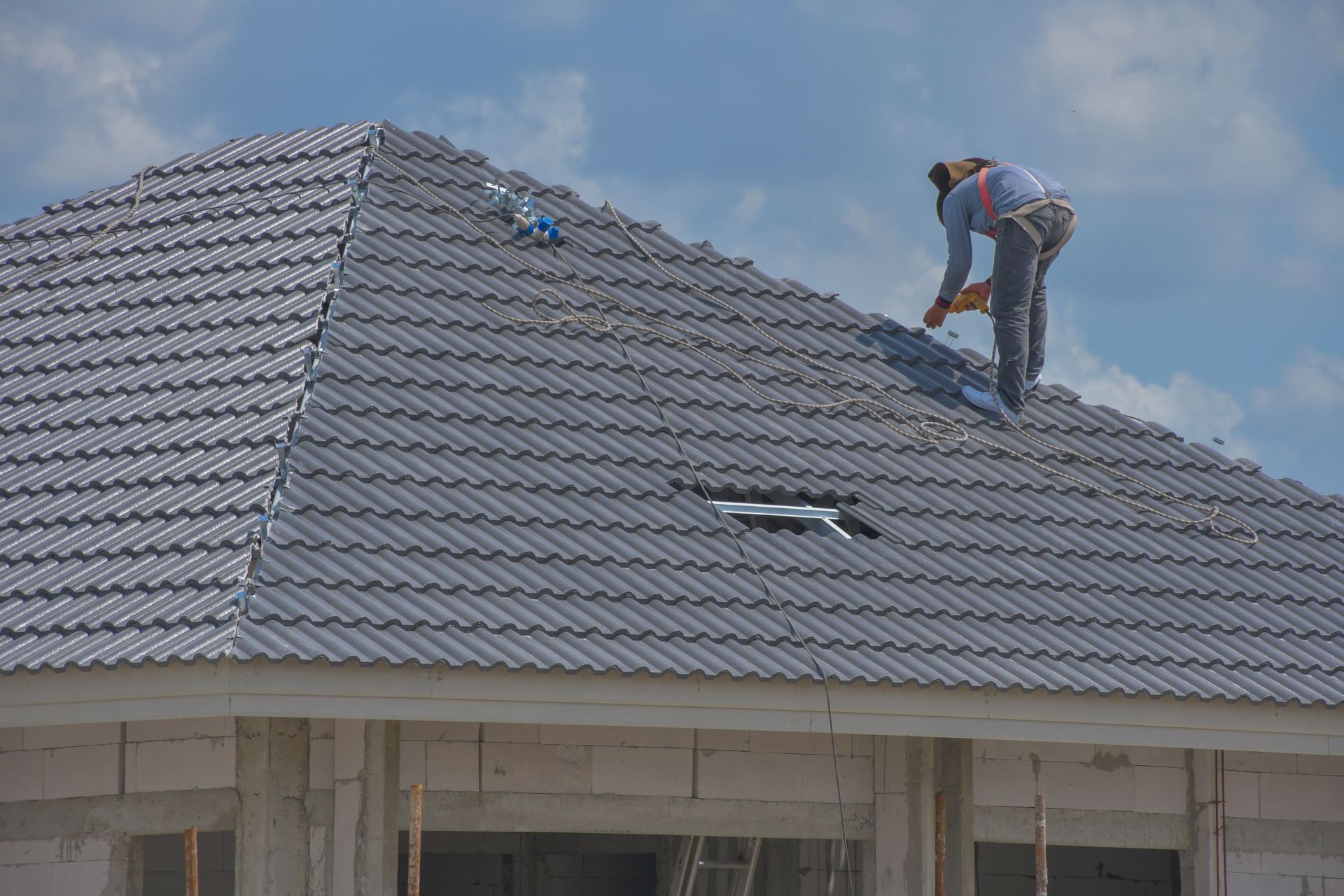
Storm season often brings out contractors who go door-to-door after a major weather event. Choosing carefully can protect both your home and your finances. A qualified contractor for storm damage roof repair should be licensed, insured, and experienced with Lowcountry building codes and hurricane-resistant materials. Local contractors familiar with the Charleston metro area and its permitting processes are generally a better fit than out-of-state crews who arrive after major storms.
Ask any contractor for:
- Proof of license and insurance.
- References or online reviews from local homeowners.
- A written, itemized estimate before work begins.
- Clarity on what warranties cover workmanship and materials.
Avoid contractors who pressure you to sign documents quickly or who ask for large upfront payments before any work is done.
Ready to Protect Your Home This Storm Season?
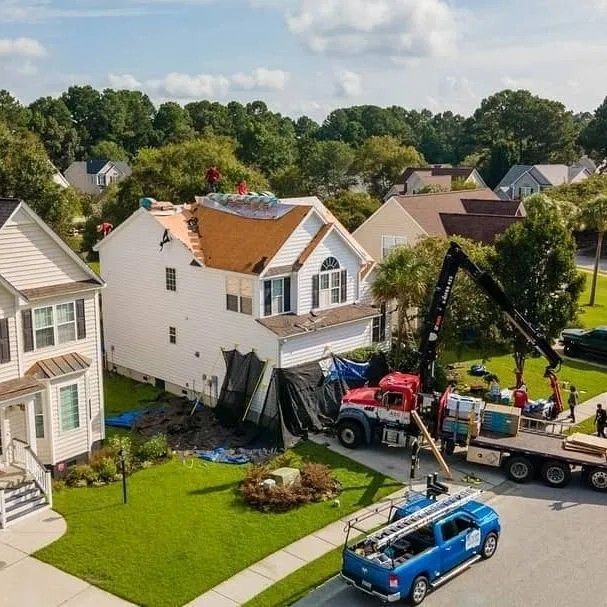
Ketchum Roofing & Windows has spent over 40 years helping Lowcountry homeowners handle storm damage from start to finish, from free roof inspections to guiding homeowners through the full insurance claim process. The team works alongside insurance adjusters and manages paperwork to help make the process as smooth as possible. If your home in the Charleston area took a hit this season, do not wait to act.
Contact us today for a free roof inspection, or find Ketchum Roofing & Windows on Google to read what your neighbors are saying.