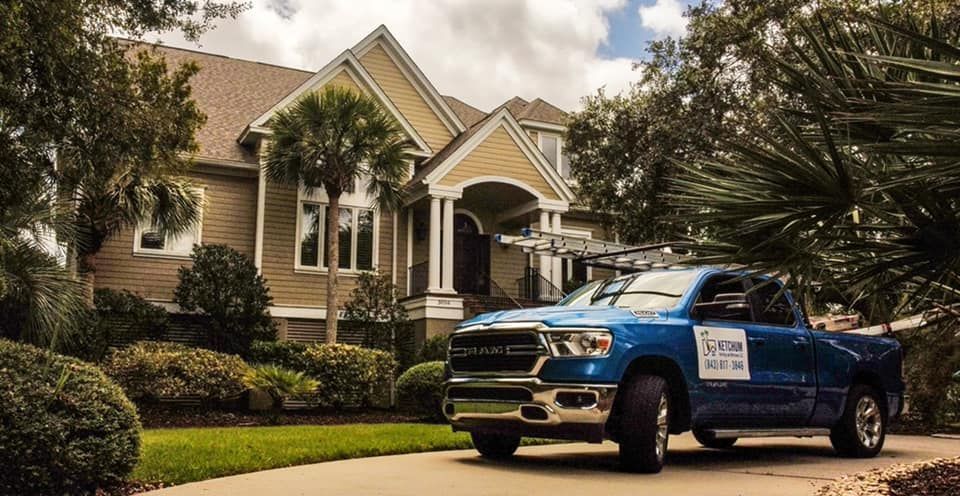
How a Roofer Handles Installations in High Wind Zones
Have you ever wondered how roofs in Charleston, SC, withstand the intense coastal winds that regularly sweep through the area? Living in a high-wind zone presents unique challenges for homeowners and requires roofing solutions that go beyond standard installations. Severe weather patterns, including tropical storms and hurricanes, make it imperative that your roof be prepared to resist wind forces exceeding 130 mph.
In this article, we will explore the specialized techniques used by professional roofers to ensure roofs remain secure and durable during these extreme conditions. From enhanced fastening methods to critical components like heavy-gauge drip edges, understanding these practices will help you make informed decisions when protecting your home.
Why Charleston’s Coastal Climate Demands Specialized Roofing
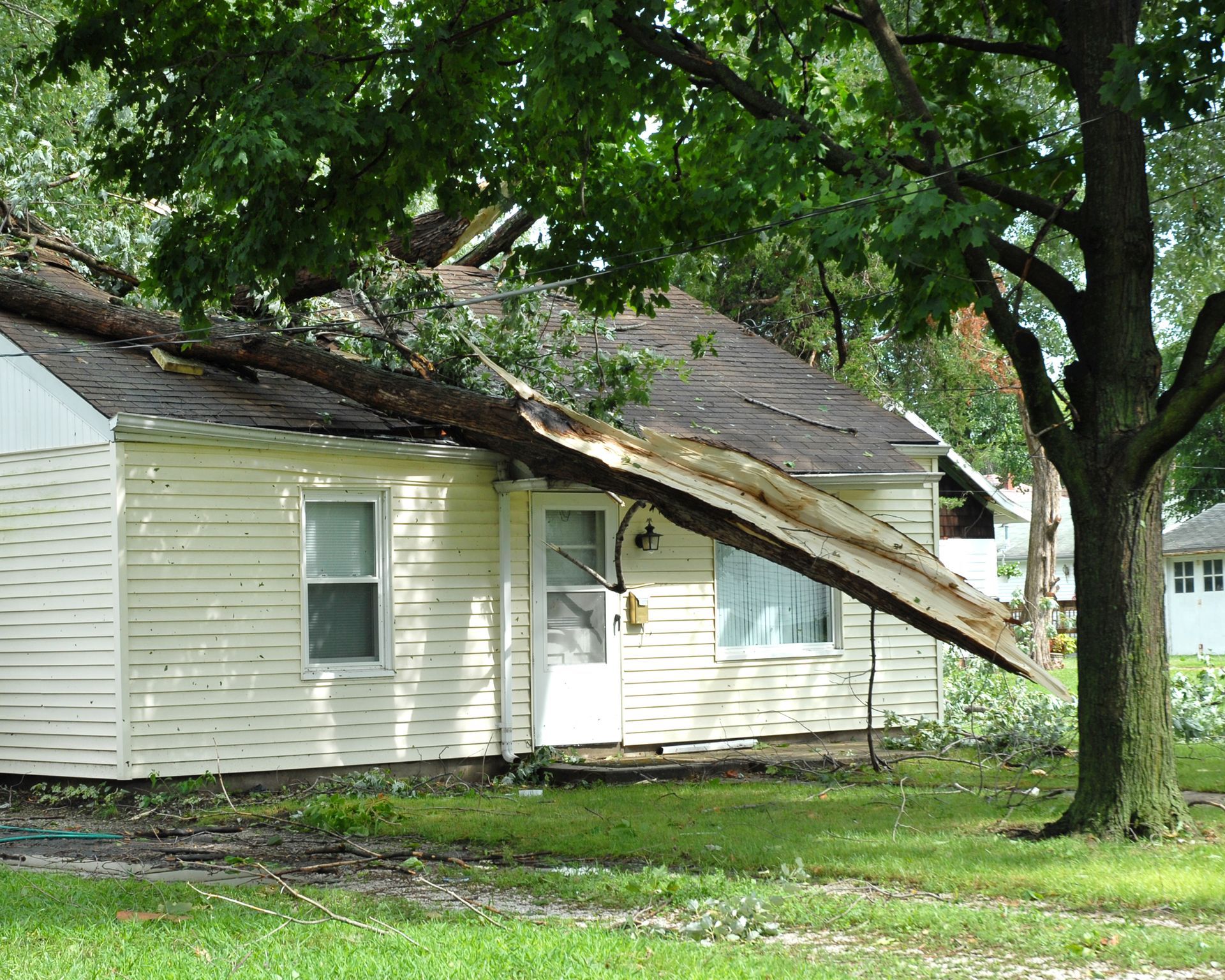
Charleston’s climate exposes homes to some of the most powerful storms along the southeastern U.S. coast. Wind-related damage is a primary concern, which is why local building codes enforce stringent guidelines for roofing systems in this region. These codes can be complex, reflecting the need for roofs to meet high wind speed design loads, often well above the national average.
Roofing companies serving Charleston must have in-depth knowledge of these regional requirements and the challenges posed by salt air, humidity, and intense sun exposure. Additionally, insurers often require proof of wind resistance ratings before offering coverage or lower premiums. These factors combine to make specialized roofing techniques essential for anyone building or renovating in Charleston and surrounding areas.
The 6 Nail Fastening Pattern: What It Is and Why It Matters
One of the most effective ways roofers increase a roof’s wind resistance is through the 6 nail fastening pattern. In many parts of the country, roofing shingles are attached using 4 nails each. Charleston’s high wind zones, however, typically require a minimum of 6 nails per shingle to meet the wind speed ratings of 130 mph or higher.
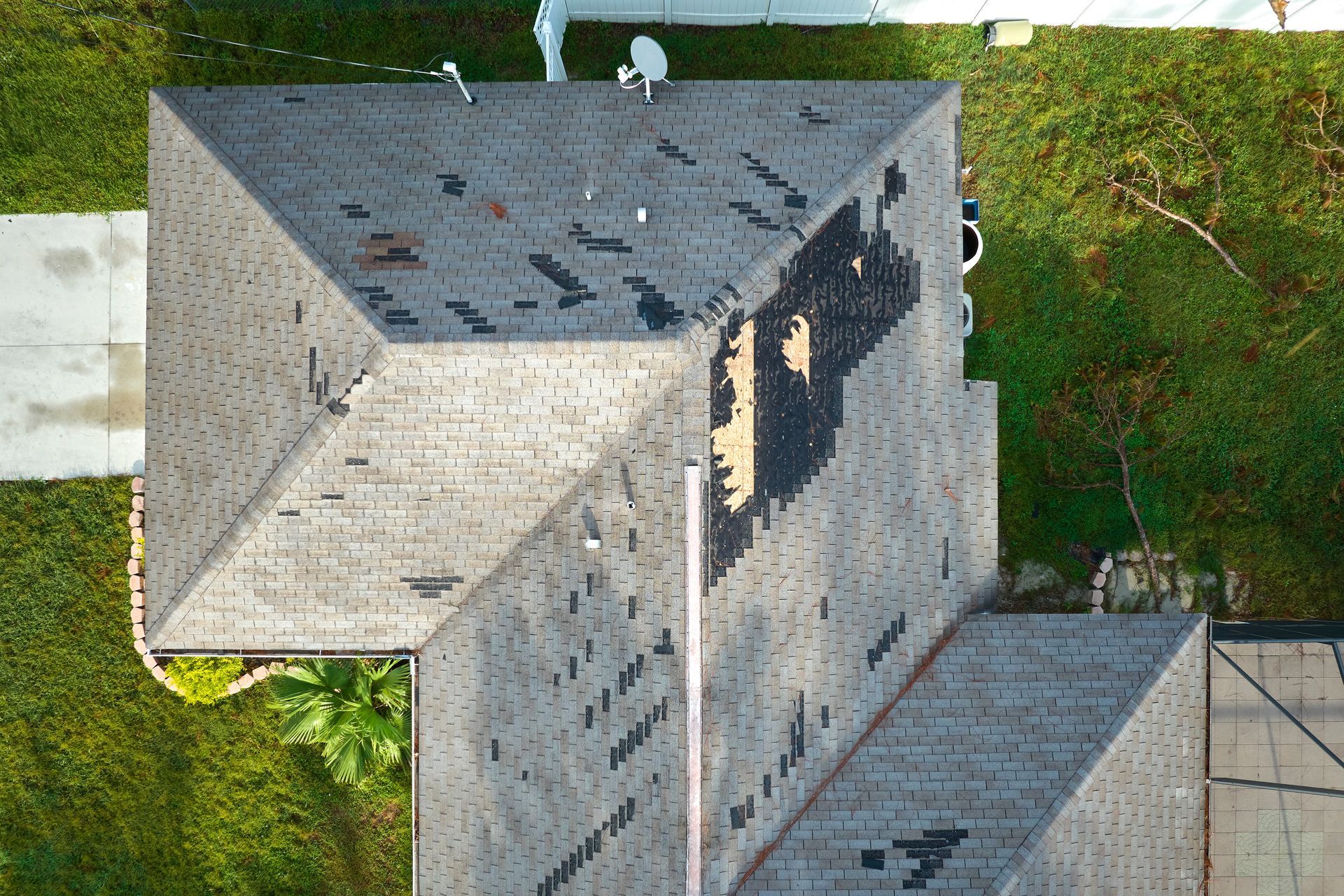
Using six nails significantly improves the grip that each shingle has on the roof decking, reducing the chance that shingles will lift off during strong gusts or storms with winds exceeding 130 mph. This approach helps maintain the integrity of the roof system and prevents secondary damages, such as water intrusion from missing shingles. It is a straightforward upgrade that makes a powerful difference in overall roofing performance.
A reputable roofer in Charleston, SC, like Ketchum Roofing & Windows, incorporates this fastening pattern routinely, ensuring full compliance with local regulations and the highest level of protection for their customers.
The Critical Role of a Heavy Gauge Drip Edge in High Wind Roofs
Another component that often determines a roof’s ability to withstand fierce winds is the drip edge. This metal flashing runs along the perimeter of the roof and is designed to protect vulnerable edges and prevent water infiltration. But in Charleston’s high wind environment, the drip edge serves an additional and equally important function: it prevents wind uplift that could otherwise “peel” shingles back at the eaves.
Lowcountry storms frequently expose roofs to uplift forces in these areas, making the drip edge installation critical to maintaining roof stability. A heavy gauge metal drip edge, properly nailed and sealed, holds the roofing materials firmly in place and reduces the chances of wind related damage at one of the most susceptible points on the roof.
Professional roofers will select high-quality drip edge materials specifically rated for coastal conditions and install them according to best practices. This attention to detail is key to achieving a roof installation that balances durability, code compliance, and long-term protection.
Additional Wind Resistant Roofing Components and Techniques
Beyond nailing patterns and drip edges, there are several other elements and installation practices that contribute to a high-performance roof system in Charleston’s high wind zones:
- Underlayment Selection and Installation: Synthetic underlayments are favored for their tear resistance and waterproofing qualities under wind driven rain. Correct fastening of underlayment with cap nails or staples helps maintain a secure roof deck.
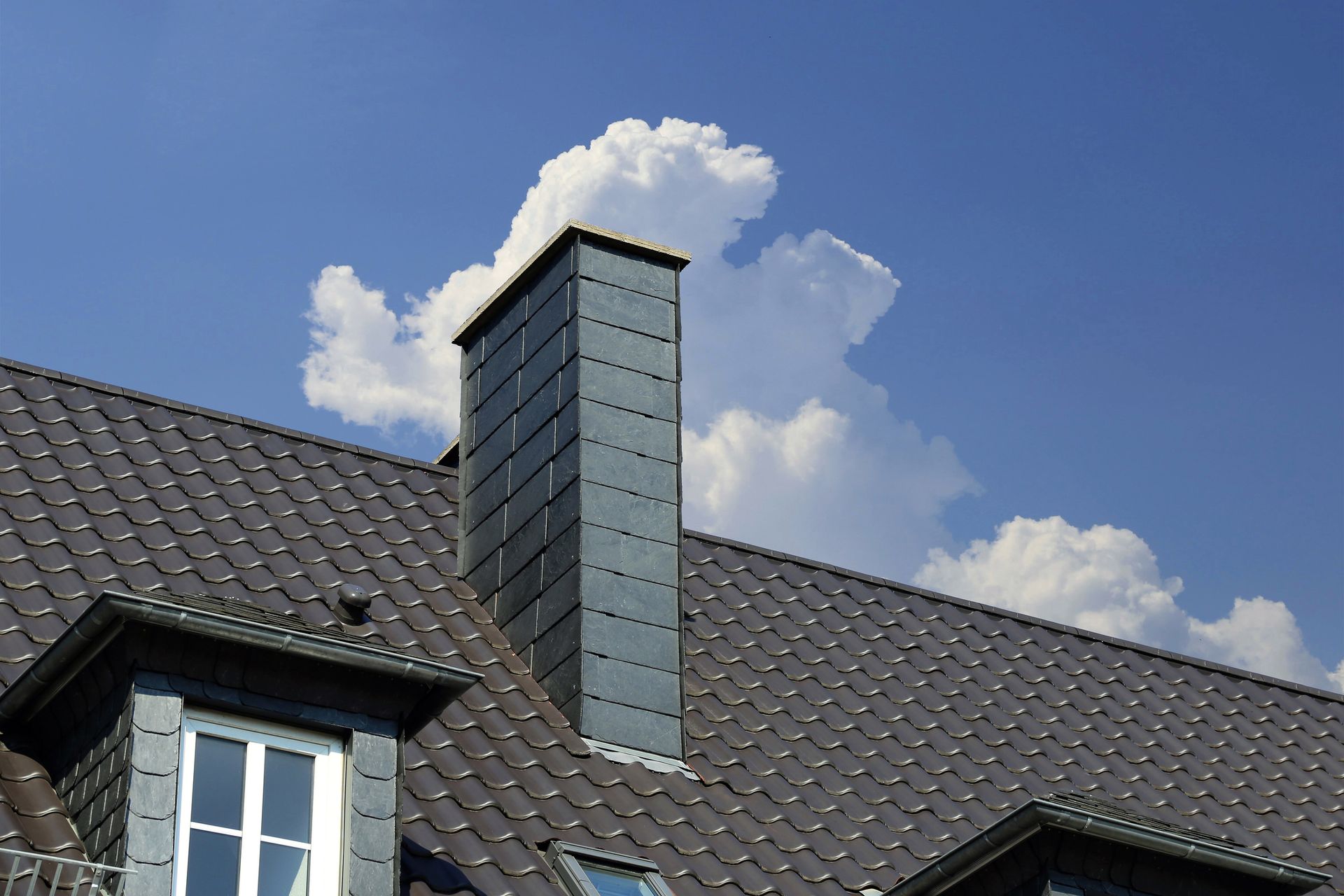
- Flashing and Sealants: Properly installed flashing around chimneys, vents, and skylights prevents wind driven water infiltration, while high-quality sealants ensure tight seals in vulnerable areas.
- Roof Deck Attachment: The roof deck itself must be securely fastened to the rafters or trusses using ring shank nails or screws that provide better pull resistance compared to standard nails.
- Ventilation Systems: Roof ventilation must be designed to avoid pressure buildup that can exacerbate wind uplift; this includes properly placed soffit and ridge vents with wind baffles where necessary.
A knowledgeable roofing contractor integrates all these pieces with industry best practices to create a unified system, rather than just assembling roofing components individually.
What to Expect From a Professional Roofer in Charleston, SC
When you hire a roofer in Charleston, SC, especially one specializing in high wind installations, the professionalism and quality of work should be evident from start to finish. Here is what the process typically involves:
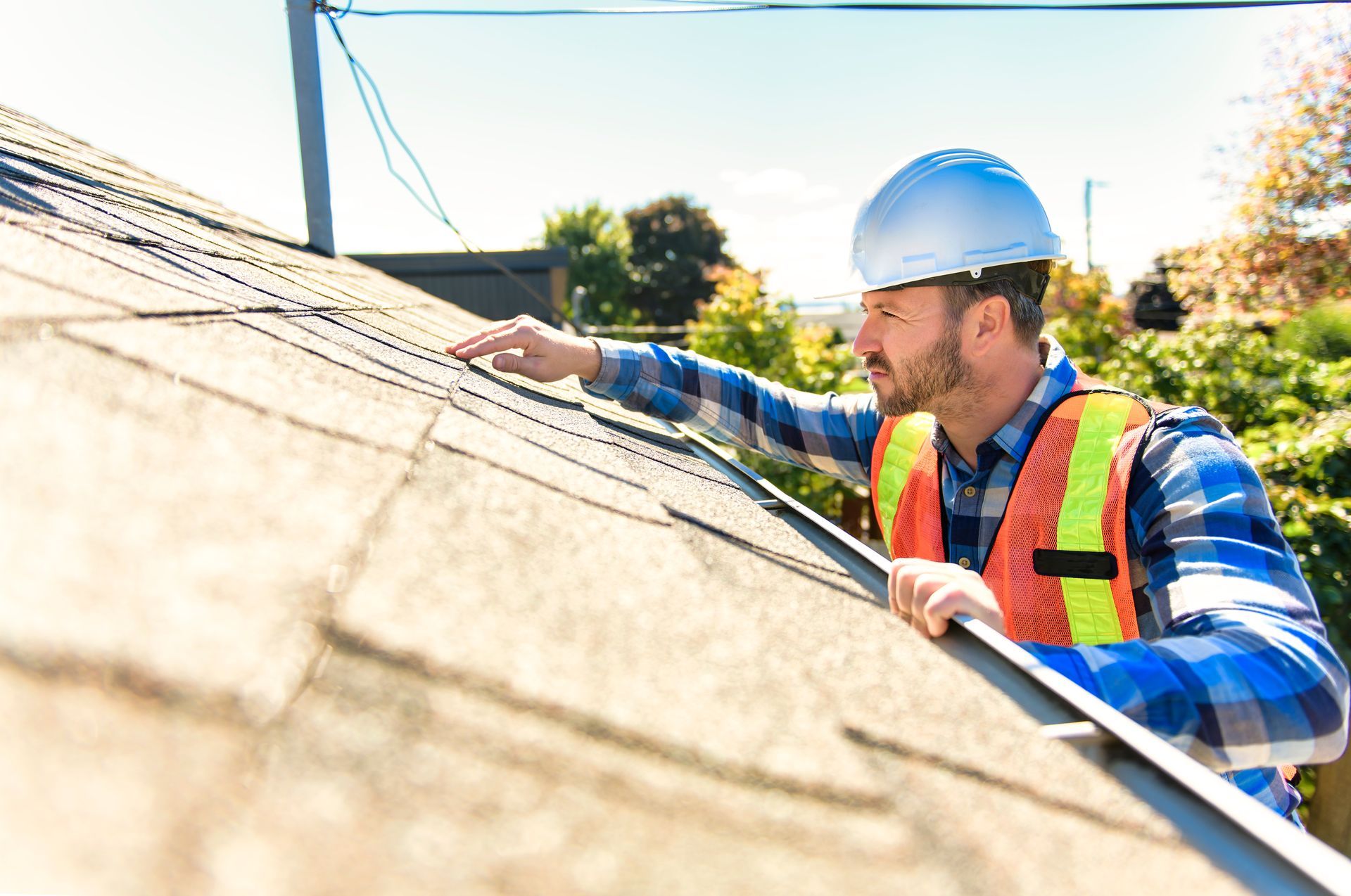
- Thorough Roof Inspection: The roofer evaluates your existing roof or roof design plans, identifying concerns related to wind damage potential, structural integrity, and compliance with local codes.
- Material Consultation: They help you select roofing products rated for high winds, including shingles, nails, drip edges, and underlayments that offer superior durability and protection.

- Planning and Permitting: Collaborating with local building officials to ensure all permits and documentation meet the Charleston requirements for coastal construction.
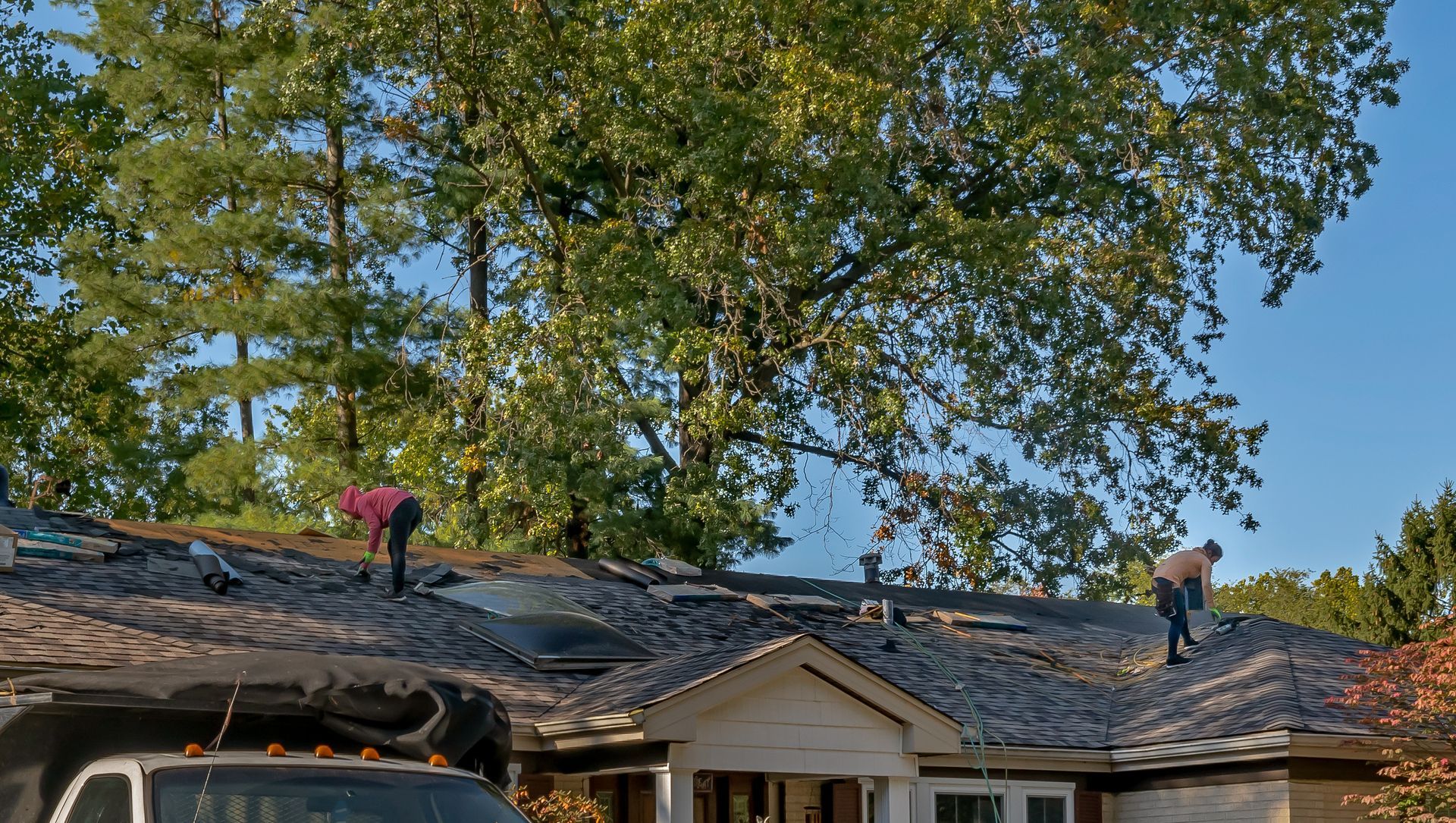
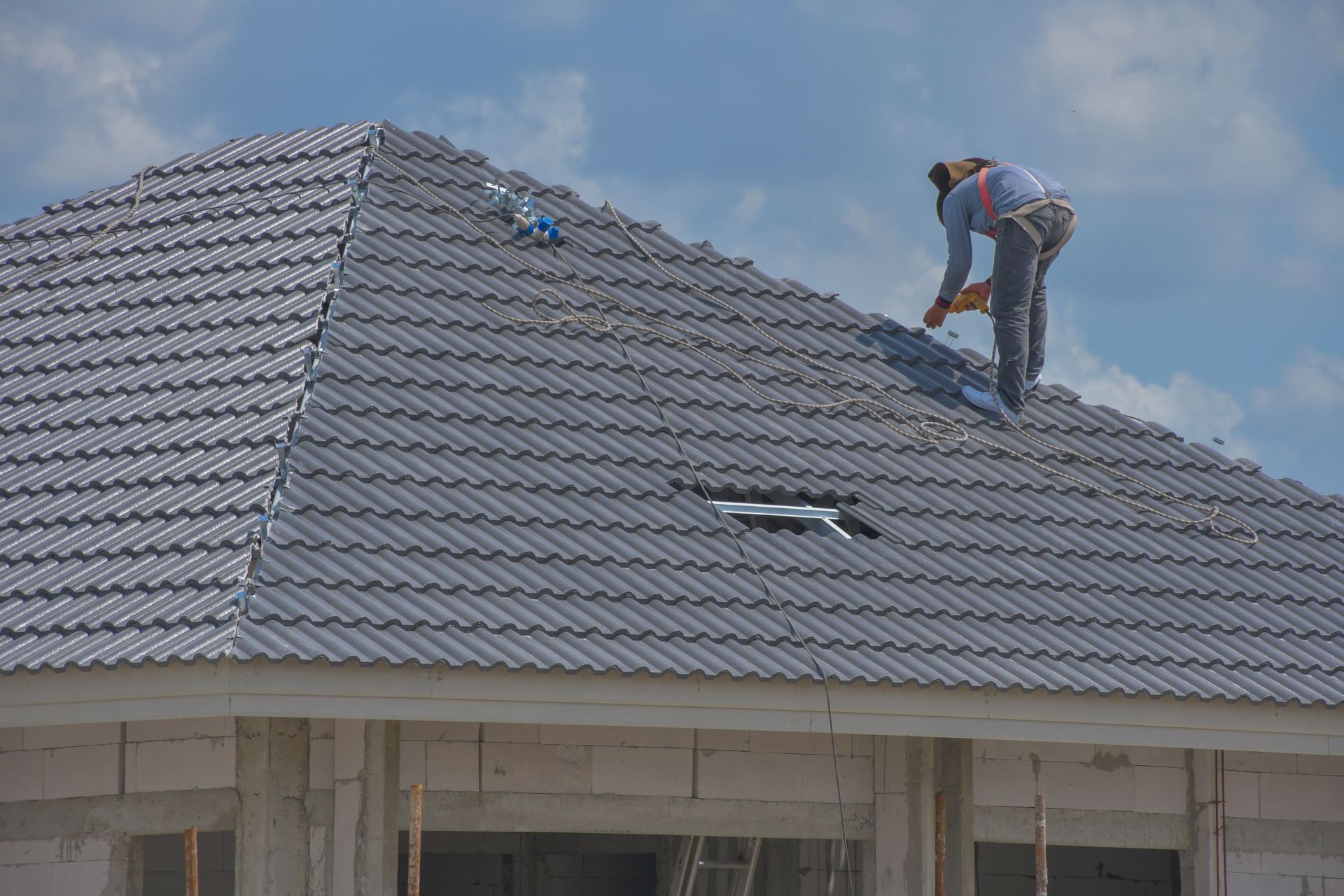
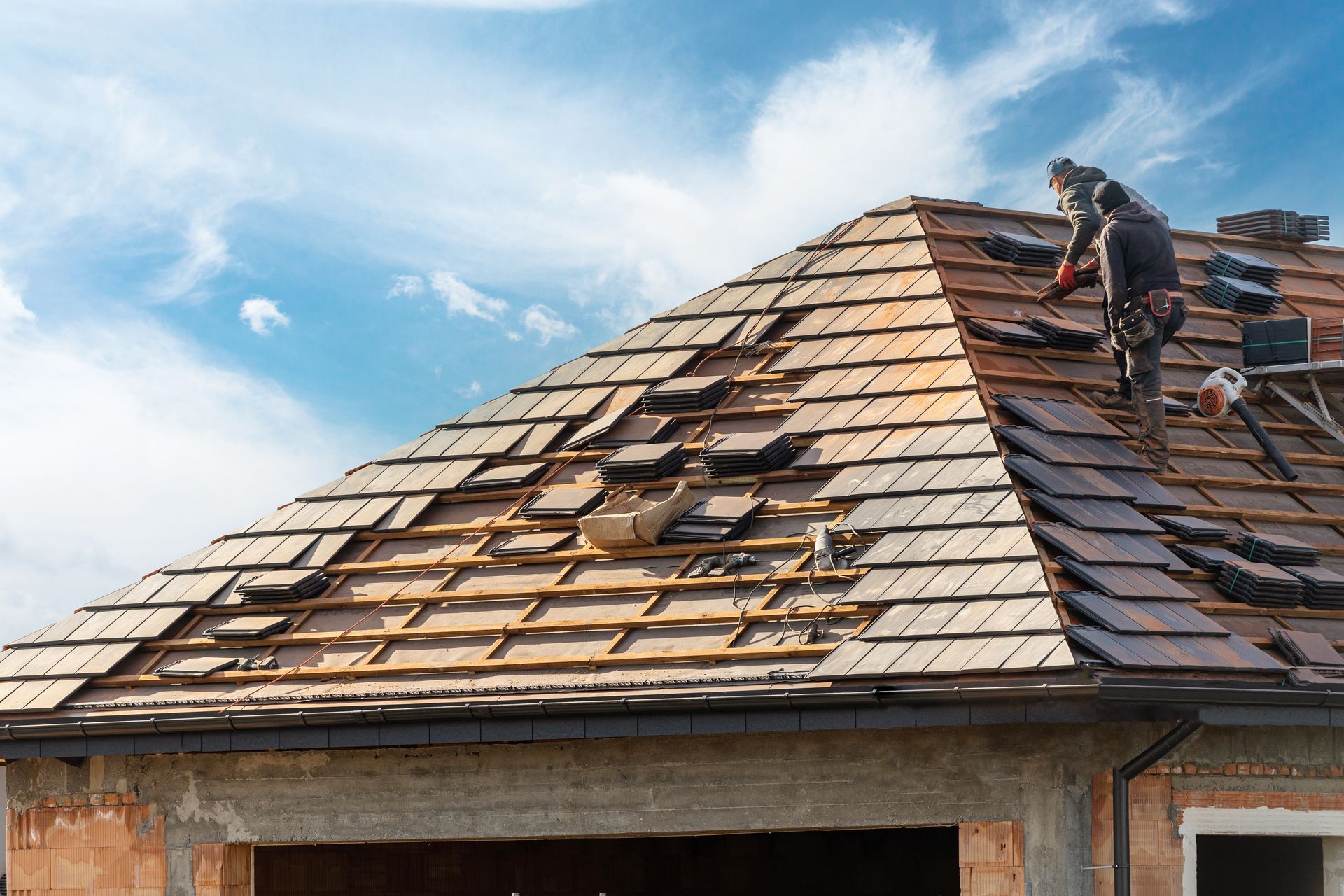
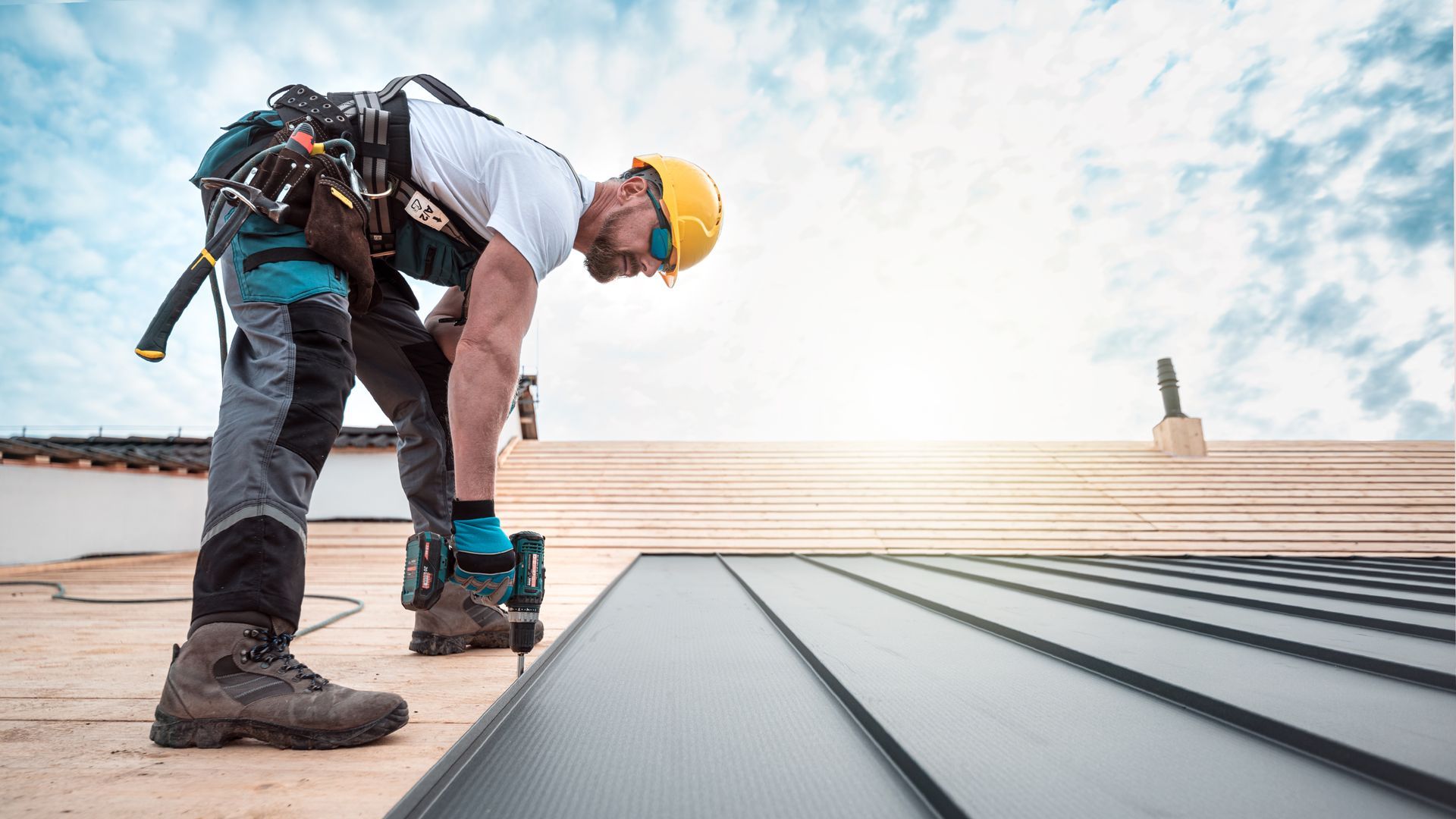
- Skilled Installation: Applying the 6 nail fastening pattern, securing heavy gauge drip edges, installing strong roof decking connections, and performing continuous quality checks during the job.
- Cleanup and Final Inspection: After the job, the site is cleaned of nails, debris, and waste materials, followed by a final quality assurance review to confirm compliance with high wind standards.
- Post Installation Support: Many roofing companies offer warranties and scheduled roof inspections to ensure your roof maintains its protective qualities over time.
This step by step approach reflects a roofer’s commitment to not just completing a job but providing lasting value and peace of mind.
How a Roofing Company Accounts for Local Regulations and High Wind Ratings
The unique combination of proximity to water, wind patterns, and typical storm profiles means Charleston roofing contractors must be well versed in local regulations and insurance requirements. These often specify:
- Minimum wind speed resistance thresholds (commonly 130 mph and above)
- Approved fastening methods and materials
- Requirements for flashing and drip edge materials and installation
- Guidelines for roof deck attachment to framing members
By adhering to these codes and applying industry recognized installation patterns like the 6 nail fastening system, roofers ensure your home will not only pass inspection but also be positioned to resist damaging wind forces effectively. Homeowners benefit from insurance advantages and solid protection alike.
Ready to Protect Your Home With a High Wind Resistant Roof?
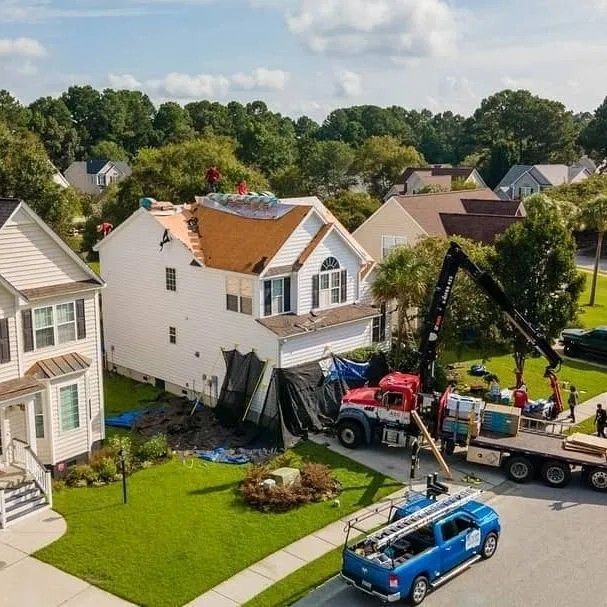
If you live in Charleston or Mt. Pleasant, SC, and want a roofing contractor that truly understands the demands of high wind zones, Ketchum Roofing & Windows is here for you. Our experience, attention to detail, and use of advanced installation techniques make us a trusted choice among local homeowners.
Call us today at (843) 817-3846 or visit our contact page to schedule a roof inspection or request a personalized quote. Do not wait for the next storm to find out whether your roof is prepared. Protect your home now with roofing solutions built specifically for Charleston’s coastal climate and wind challenges. Reach out and we are ready to help safeguard your home for years to come.